The Excavated Hypothesis
Every lost scientific text, every forgotten family record, every buried piece of wisdom - we uncover it, demystify it, and return it to the world.
What We Do
The mission of The Excavated Hypothesis is to restore buried knowledge by providing access to rare scientific texts and genealogical records, and funding innovative research.
Every project shares one goal: take buried knowledge, put it back into the hands of people who need it, and teach them the skills to decode it.Click an image below to learn more about our upcoming projects.

Forensic Research Skills for Students

The Unredacted Archive

THE EXCAVATED PRESS

Community Transcription Corps

Independent Research Grants

DNA & Genealogy



Our Mission & Vision
The mission of The Excavated Hypothesis is to bring scientific and genealogical knowledge to the world at no or low cost.Our vision is a world where every legacy is found, every text is accessible, and no question goes unfunded.
Board of Directors
Coming soon!
The Founder

Dr. Nicole Mendoza is a career educator and researcher who has always been passionate about knonwledge.After fighting paywalls, dead links, and buried data in her personal geneaology journey, she decided that discovering the truth about one's lineage shouldn't be so inaccessible. Leaning on her prior experience as a Program Director for two California-based nonprofits, Dr. Mendoza founded The Excavated Hypothesis to uncover, restore, preserve, and decode knowledge for everyone, under the belief we all deserve the right to know the truth about our past.Dr. Mendoza holds an Ed.D. Organizational Change & Leadership from USC, a M.A. in Clinical Psychology from Xavier University, and a M.A. in Education from Concordia University. Her ressearch interests span a variety of topics in population genetics, quantum physics, historical demography, and esoteric spirituality.
Contact Us
For media, funding, or partnership inquiries, please contact us.
The Unredacted Archive - COMING WINTER 2026
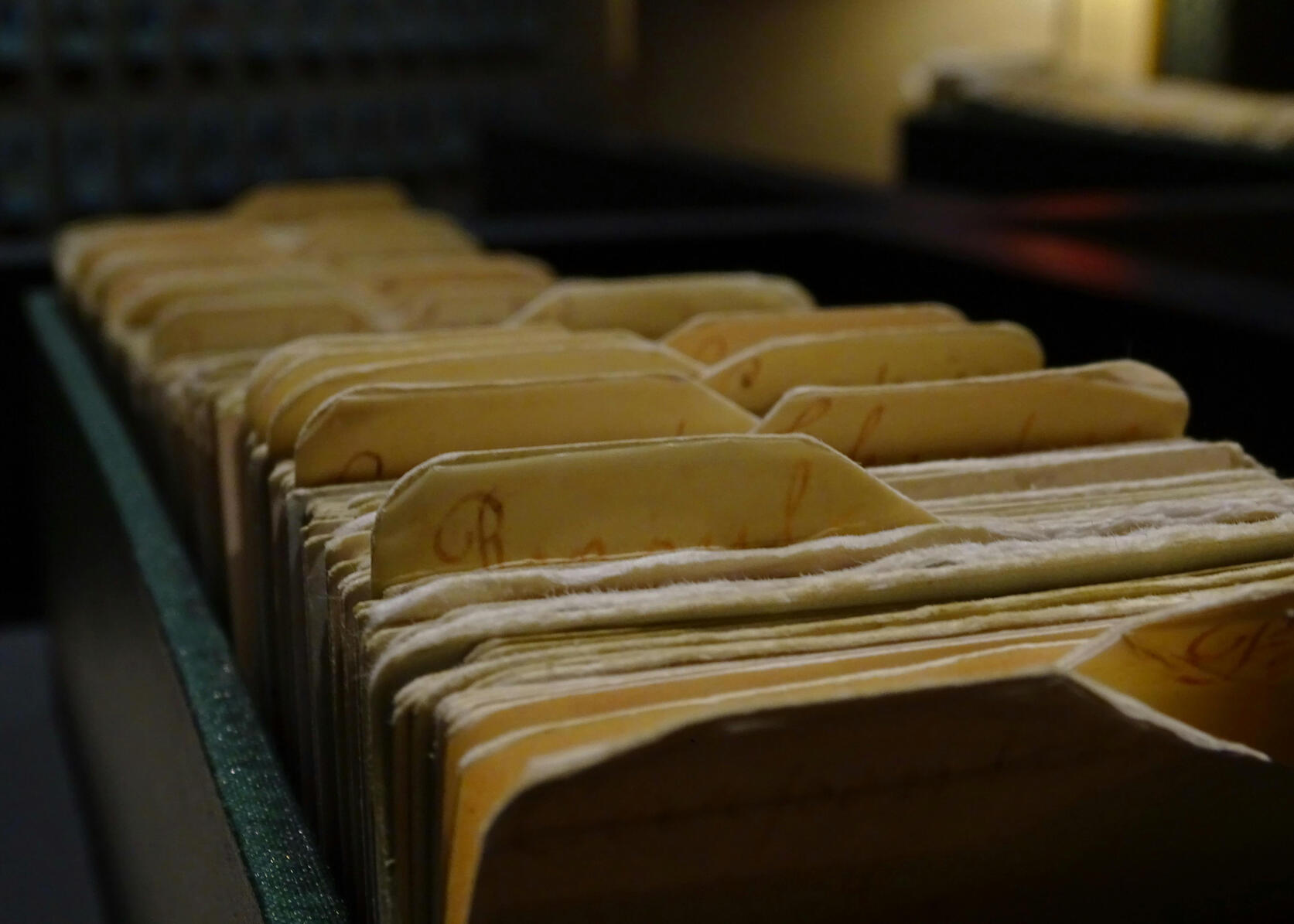
The Unredacted Archive is a permanent, searchable digital home for rare scientific texts and genealogical records that have never been digitized or have been locked behind paywalls and private collections. We start with genetics, epidemiology, and colonial-era historical records of special interest to BIPOC communities.
Independent Research Grants - COMING SOON

The Excavated Hypothesis offers grants and direct support for independent researchers asking questions that traditional funding sources shy away from. We prioritize investigations that challenge accepted assumptions, uncover suppressed data, or require building tools from scratch. We welcome innovative projects from high school and college students, and BIPOC individuals.
DNA & Geneaology Services - Coming Soon!

Discovering family stories shouldn't break the bank. We offer low-cost or sliding-scale assistance for families who have been told their records don't exist. We use historical population models and primary documents to restore what commercial DNA services miss.
True Ancients Ancient DNA Calculator - Coming Soon!
The Excavated Press - COMING SPRING 2027
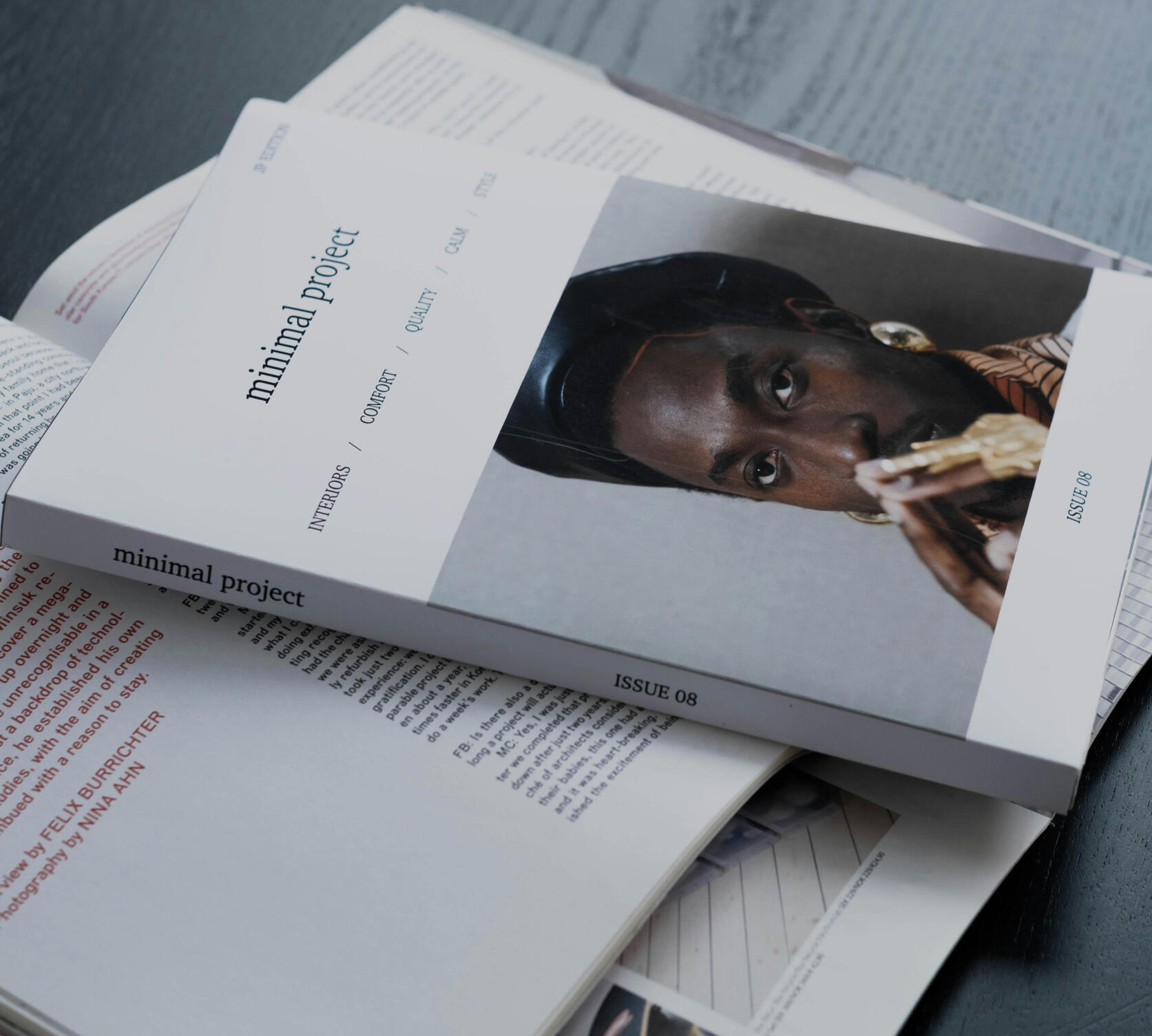
The Excavated Press is publishing arm for monographs, annotated primary sources, and independent research that refuse to hide uncomfortable findings behind subscription fees.
Community Transcription Corps - COMING SOON!
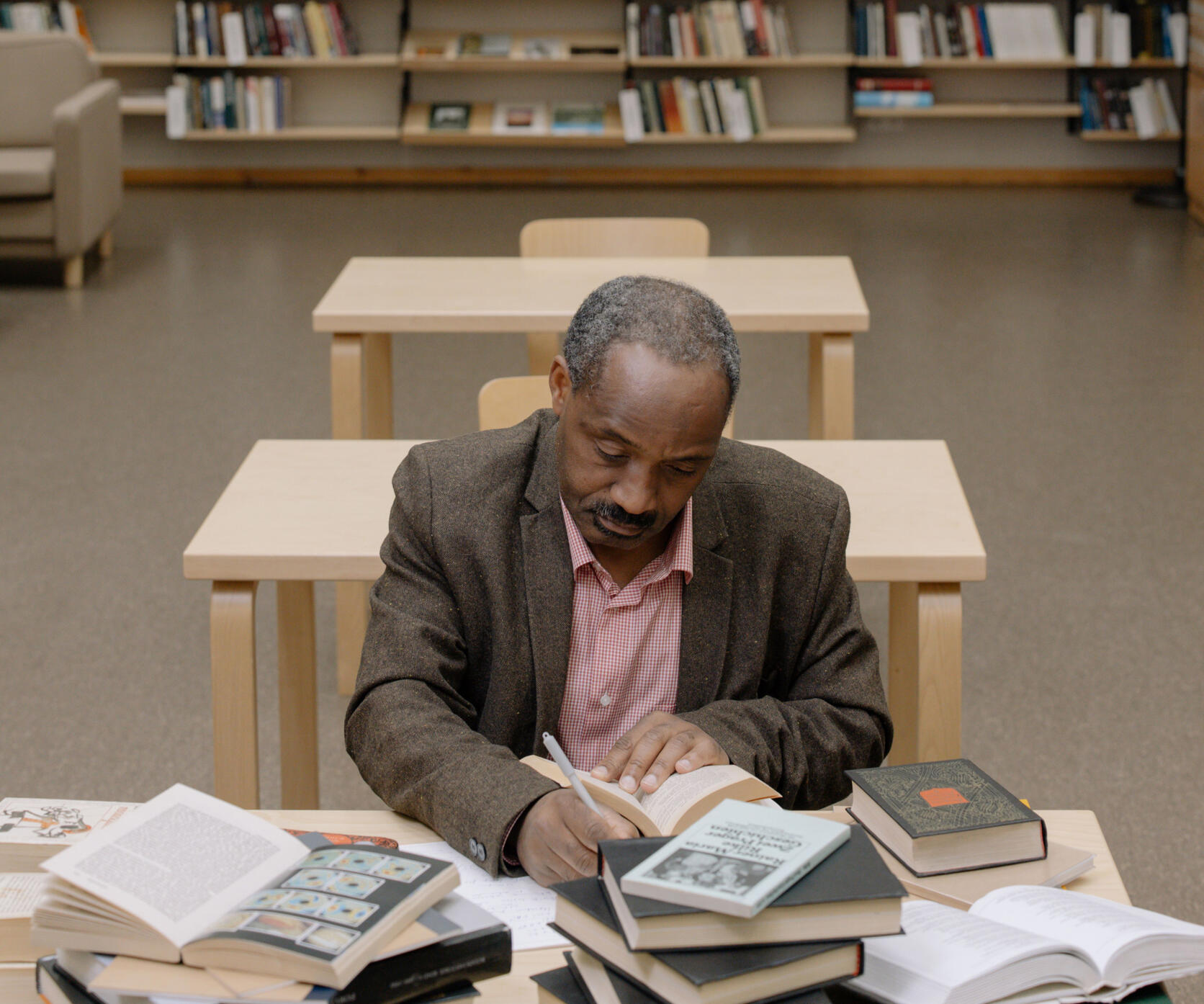
The Community Transcription Corps is our volunteer-led effort to locate and digitize fragile texts, tag genealogical ledgers, and cross-reference historical constraints so that no piece of data is ever "lost" again.We offer training in basic ressearch skills, soure evaluation, metadata tagging, handwriting transcription, and more.
VOLUNTEERS NEEDED!
Are you committed to open access of primary source records? Do you live in a major metroroplitan area or willing to travel to a nearby university or data center? If so, consider joining our team as a Primary Source Hunter. Click below for more information.
VOLUNTEERS NEEDED
The Excavated Hypothesis is currently in need of volunteers for a variety of roles. If you are passionate about making knowledge more accessible, we would love to hear from you.Currently, all positions are unpaid, volunteer roles.

Source Hunter

Board Member

Board Member

About Us
The Excavated Hypothesis is a nonprofit organization dedicated to restoring hidden scientific and genealogical knowledge and making it accessible at no or low cost. We rescue lost texts, fund independent research, and publish findings that commercial and academic systems often ignore.Role Overview
Board members provide governance, strategic oversight, and fiduciary responsibility. We are seeking individuals who believe that knowledge should not stay buried and who are willing to actively support the organization's growth, fundraising, and long-term sustainability.Key Responsibilities+ Attend quarterly board meetings (virtual, ~1 hour each)
+ Review and approve annual budget and major decisions
+ Help recruit additional board members and key volunteers
+ Leverage personal networks for fundraising, partnerships, or media outreach
+ Serve on at least one committee (e.g., finance, development, governance)Ideal Candidate+ Believes in open access to scientific texts and genealogical records
+ Has experience in one or more of the following: nonprofit governance, fundraising, law, finance, academia, library science, archives, or technology
+ Willing to make a personal annual contribution (amount flexible) or actively bring in donations
+ Able to serve a two-year termTime Commitment
+ Approximately 3–5 hours per month, plus board meetings.
Primary Source Hunter
About the Role
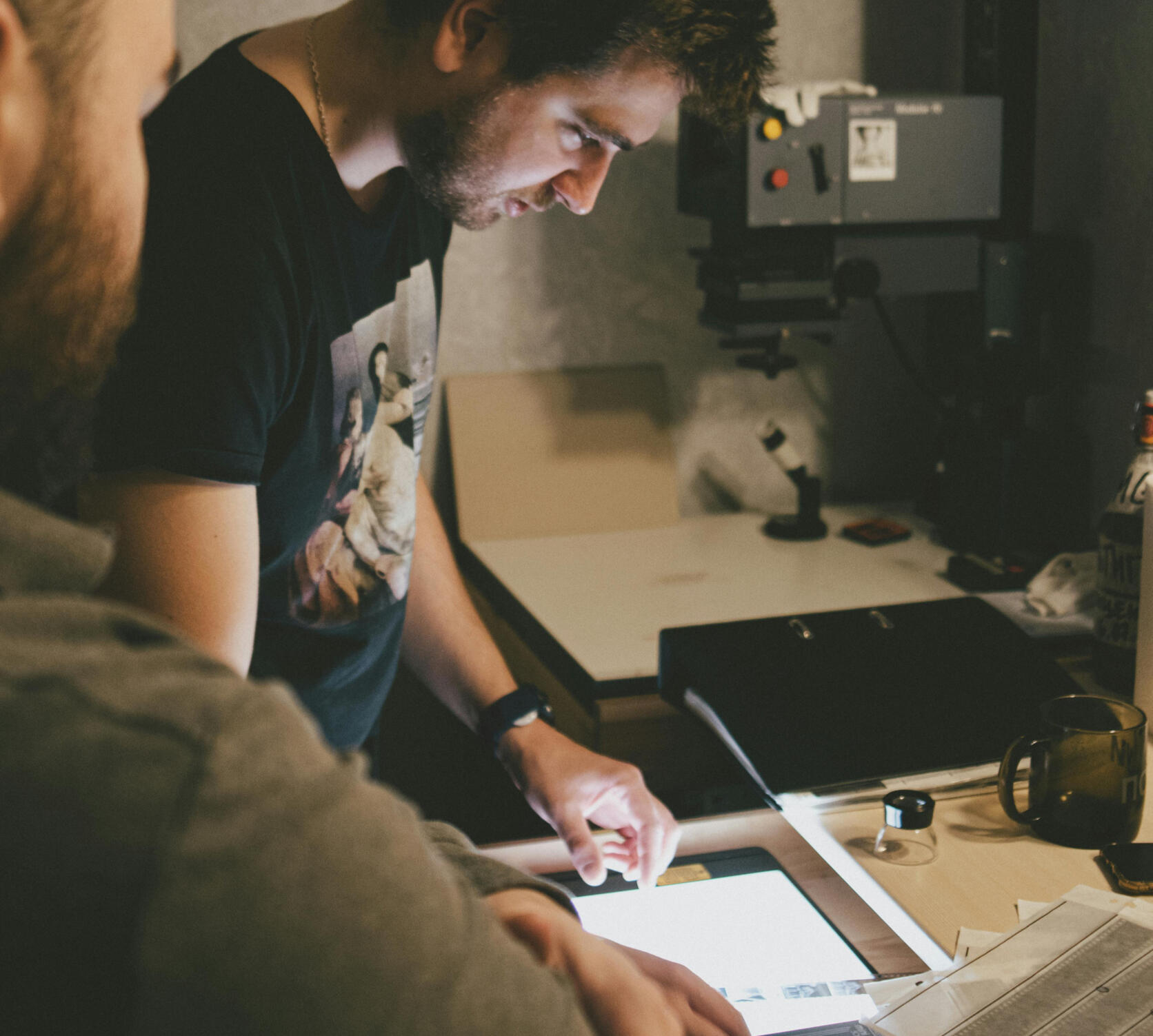
The Excavated Hypothesis is building a global network of volunteers to uncover untold stories hidden in archives, libraries, and historical centers. As a Primary Source Hunter, you are the boots on the ground. You live near or have regular access to a specific repository and are willing to visit in person to locate, scan, and submit primary source documents that our research team has identified—or that you discover yourself.What You'll Do+ Receive targeted research requests (e.g., "Find any colonial-era correspondence mentioning X tribe")
+ Visit a local library, university special collections, historical society, or government archive
Locate requested documents using finding aids, catalog searches, or archivist assistance
+ Capture high-quality scans or photographs of the documents
+ Submit digital files to our research team with basic metadata (source, date, location)Time Commitment
Flexible, project-based. Most hunts take 2–4 hours per request, including travel and scanning. You choose which requests fit your schedule and location.Ideal Candidate+ Lives near or can easily access a library, archive, or historical center with relevant holdings
+ Comfortable handling fragile documents (training provided on basic archival best practices)
+ Has access to a scanner or smartphone capable of high-resolution images
+ Cares about preserving indigenous stories that have been ignored or buried
What You Gain+ Credit on our website and in publications (if desired)
+ The satisfaction of recovering a story that might otherwise disappear forever
Donate
Thank you for considering a donation to The Excavated Hypothesis. You can help us continue the important work of restoring knowledge that time buried. Your donation can bring a forgotten text back into the light, fund a researcher asking the right questions, or help a family finally see their true lineage.
For the life of knowledge, please make an online donation safely and securely in our portal.
The Excavated Hypothesis is a 501(c)(3) public charity. Your donation is tax-deductible to the full extent allowed by law.
Forensic Research Skills

It's not enough to gain access to knowledge, you have to be able to understand it. The Excavated Hypothesis is committed to developing curricular resources to support K-12 learners develop the skills to do that.Forensic research skills are the systematic investigative techniques used to discover, analyze, and interpret evidence. They bridge hard sciences, deductive reasoning, and structured data gathering. Success requires rigorous attention to detail, objective data interpretation, and the ability to clearly document and defend findings in legal or academic settings.
THE EVIDENCE LOCKER SERIES - COMING AUGUST 2026
This set of four modules is designed to introduce forensic research skills to middle school students (grades 6–8, ages 11–14).
Learning Goals
Evaluate the credibility of sources
Identify and resolve contradictions in evidence
Trace information to its original source
Defend findings with documented support
Module 1: Source Autopsy
Students will be able to evaluate a single claim by examining author, evidence type, and motivation across multiple sources.Module 2: Contradiction Audit
Students will be able to map points of disagreement between conflicting sources and identify what additional evidence would resolve the contradiction.Module 3: Chain of Custody
Students will be able to trace a fact or claim back to its original primary source and document each step of the investigative path.Module 4: Uncertainty Brief
Students will be able to distinguish between known, unknown, and unknowable elements in a real-world case and present findings in a structured brief.